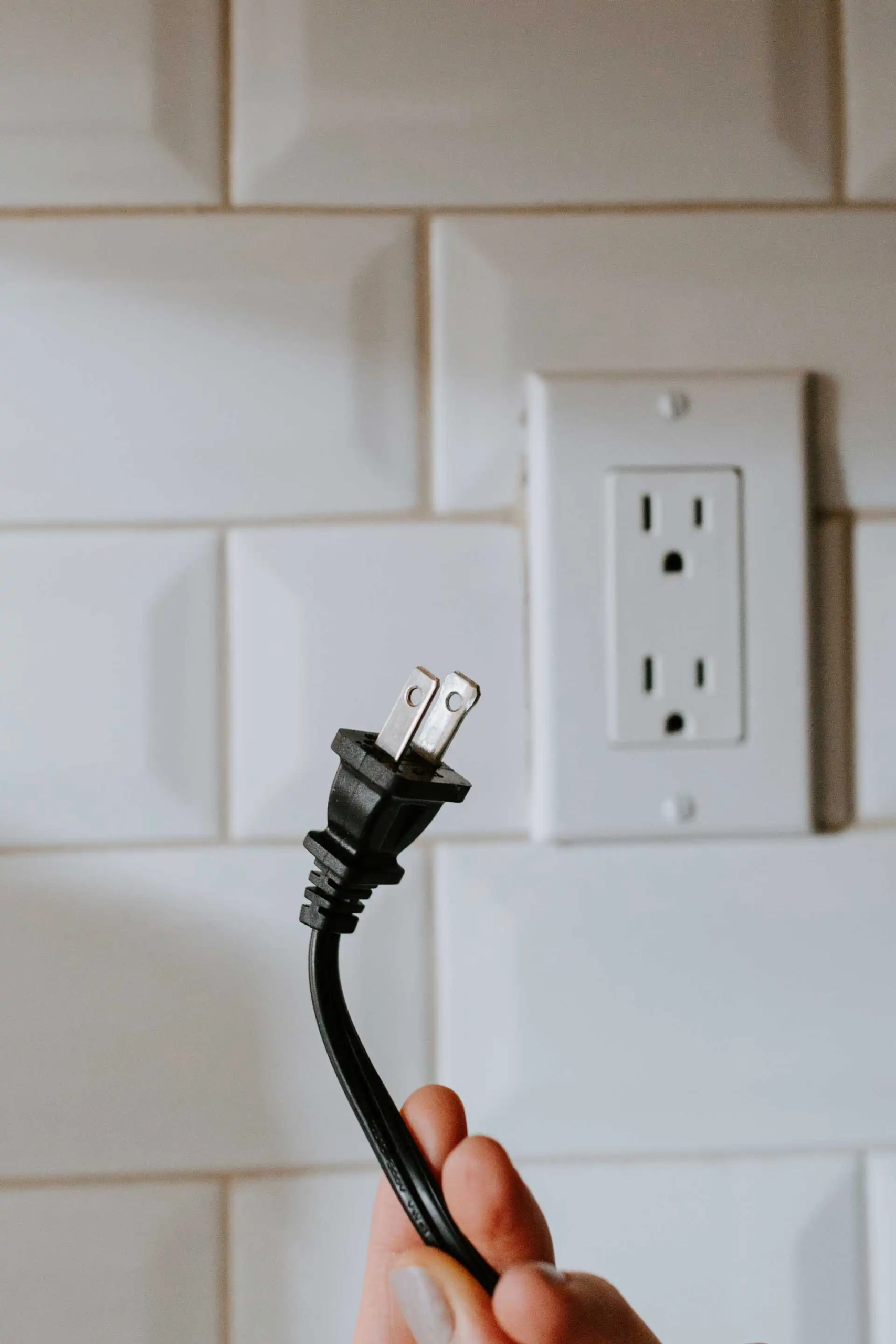
Living in a world fueled by electricity, it’s essential to find ways to reduce electricity consumption, not just for the environment but also for your wallet. Whether you’re looking to lower your carbon footprint or trim your expenses, implementing energy-saving practices at home is a smart move.
Let’s explore some simple yet effective tips to help you reduce electricity consumption and make a positive impact on both your finances and the planet.
Upgrade to LED Lighting
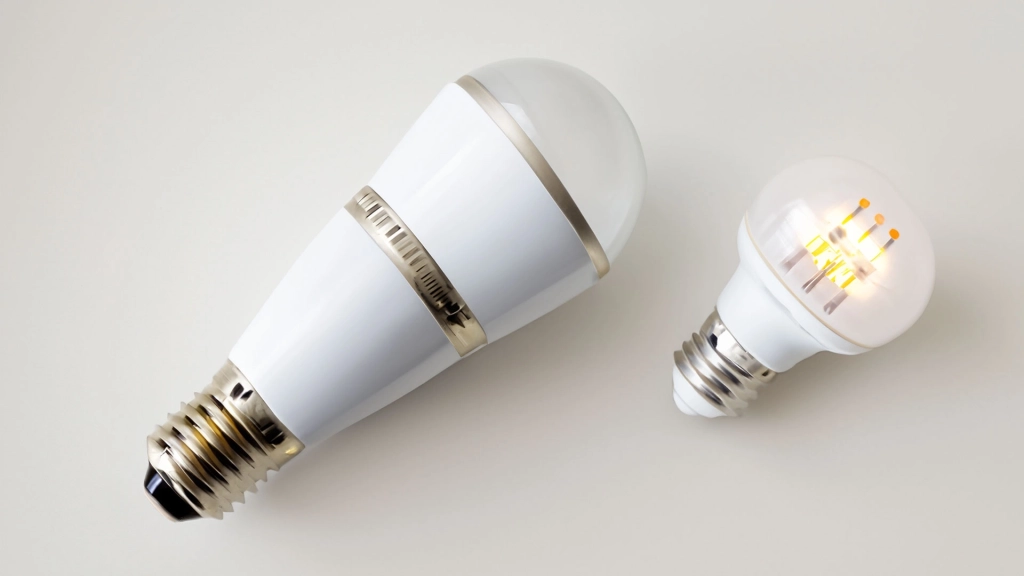
Switching to energy-efficient LED bulbs can significantly reduce electricity consumption compared to traditional incandescent bulbs, while also lasting longer.
Unplug Devices When Not in Use
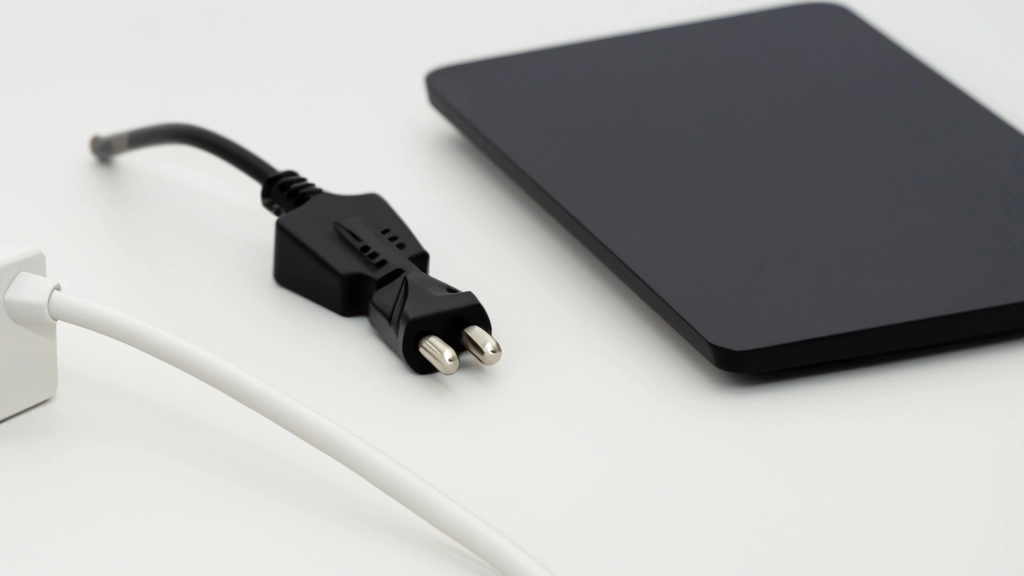
Many electronic devices consume energy even when turned off. Unplugging chargers, appliances, and electronics when not in use can reduce electricity consumption.
Optimize Appliance Use
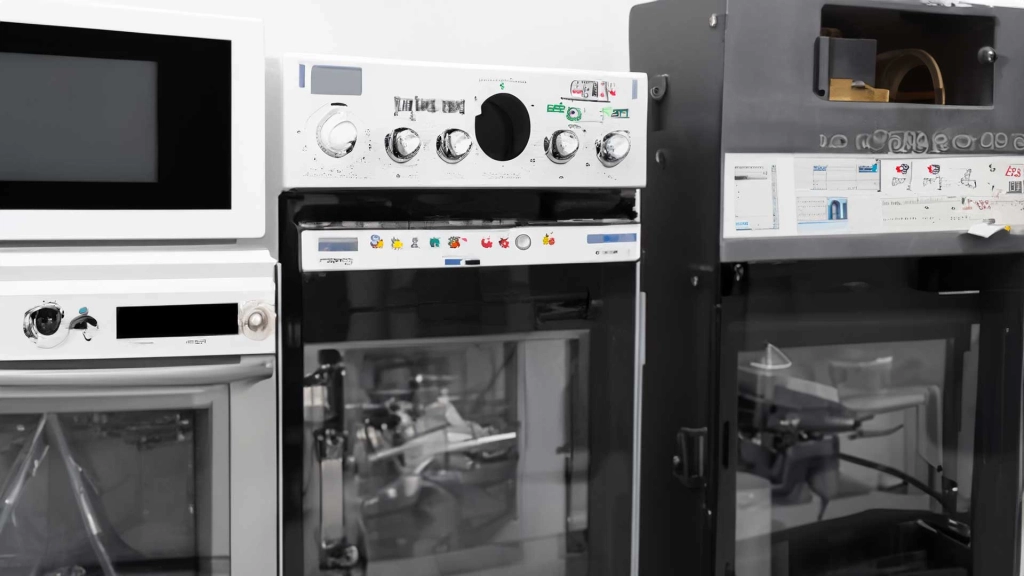
Use appliances efficiently by running full loads in the dishwasher and washing machine. Consider air-drying clothes instead of using a dryer whenever possible.
Invest in Energy-Efficient Appliances
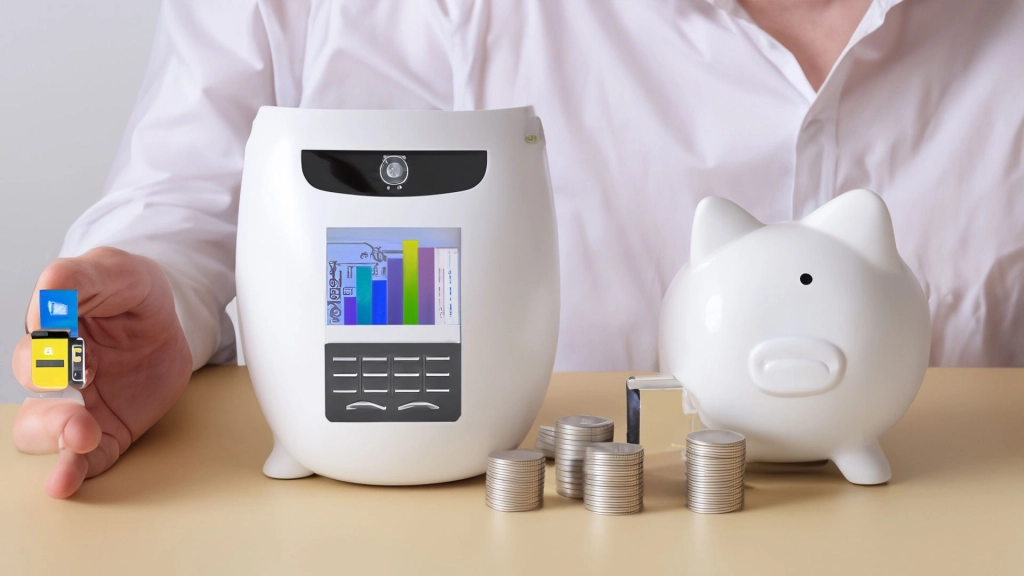
When it’s time to replace appliances, opt for energy-efficient models. Look for the ENERGY STAR label, indicating that the appliance meets or exceeds energy efficiency guidelines.
Use Smart Power Strips
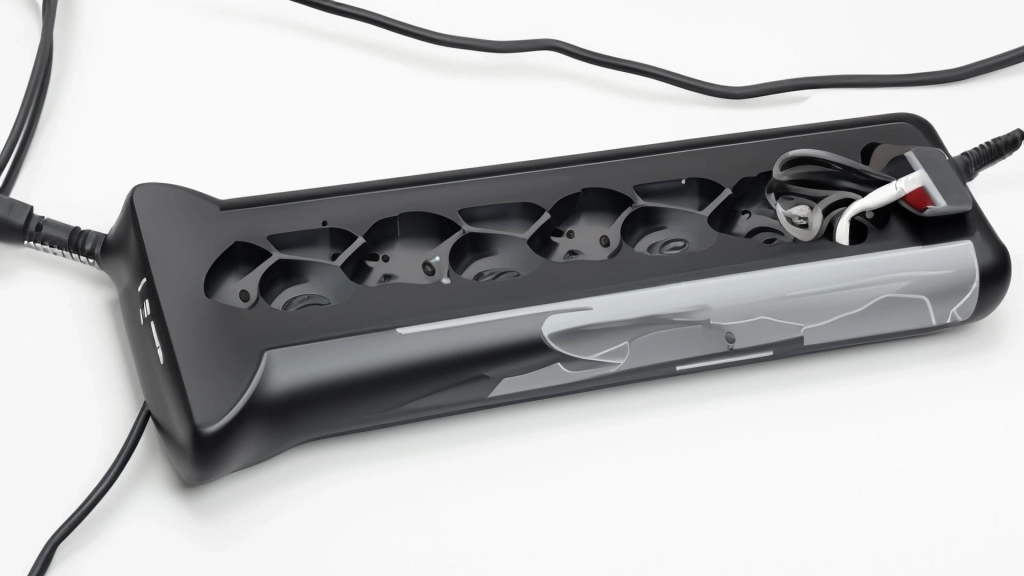
Smart power strips automatically cut power to devices that go into standby mode, preventing energy wastage. They are a convenient solution for electronics and appliances that aren’t always in use.
Set Thermostats Wisely
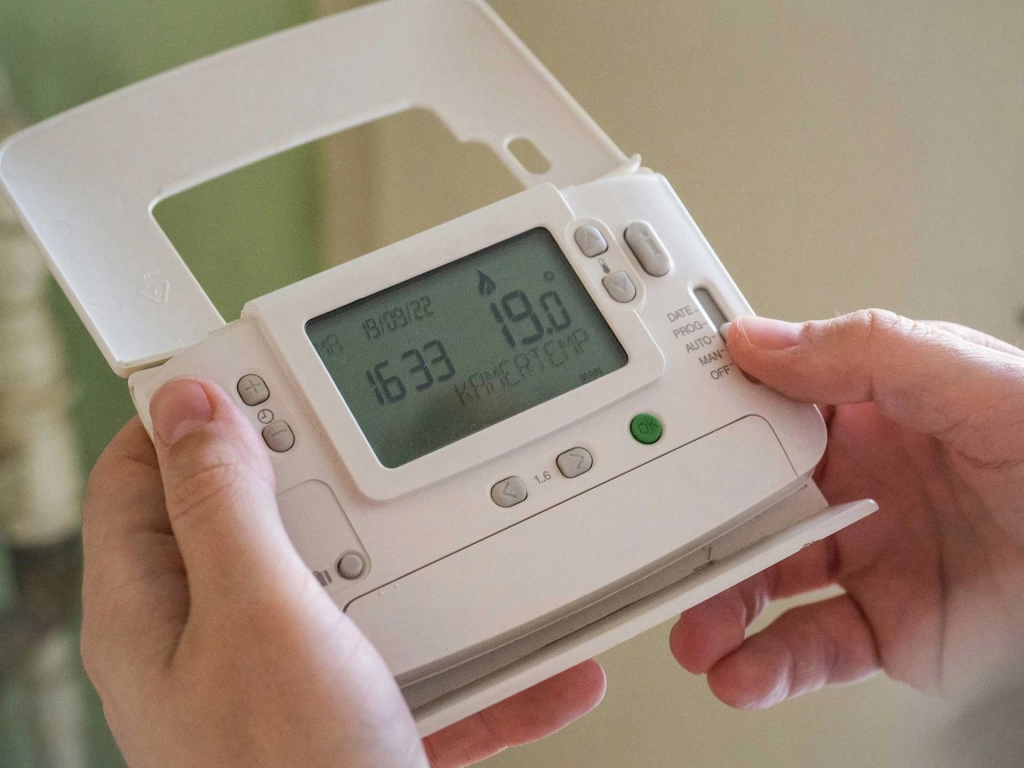
During colder months, lower your thermostat a few degrees and wear an extra layer. In warmer weather, raise the thermostat a bit and use fans to circulate air.
Seal Leaks and Insulate
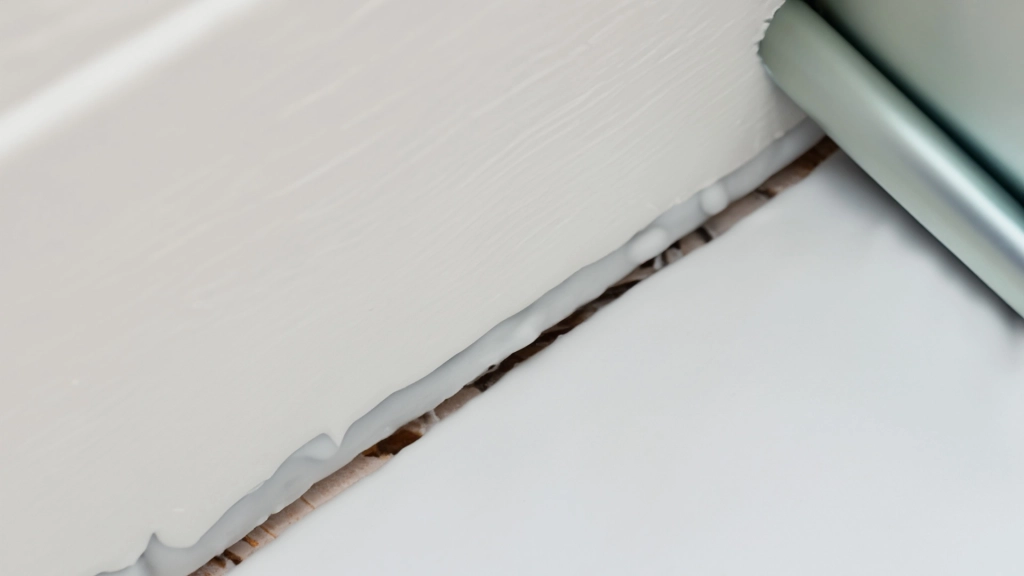
Ensure your home is properly insulated to maintain a consistent temperature. Seal any gaps or leaks in windows and doors to prevent energy loss, reducing the need for excessive heating or cooling.
Embrace Natural Light

Take advantage of natural light during the day. Open curtains and blinds to let sunlight in, reducing the need for artificial lighting.
Opt for Energy-Efficient Windows

If possible, invest in energy-efficient windows. They help regulate indoor temperatures, reducing the strain on heating and cooling systems.
Time Your Electricity Use
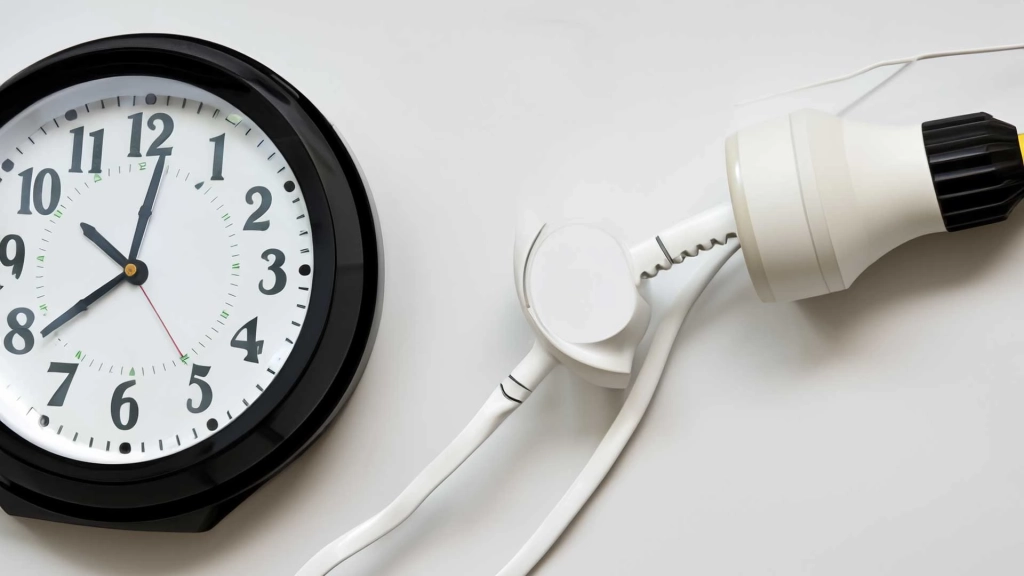
Take advantage of off-peak hours for energy-intensive tasks. Run major appliances, such as washing machines and dishwashers, during times when electricity demand is lower.
Use Alternative Energy Sources
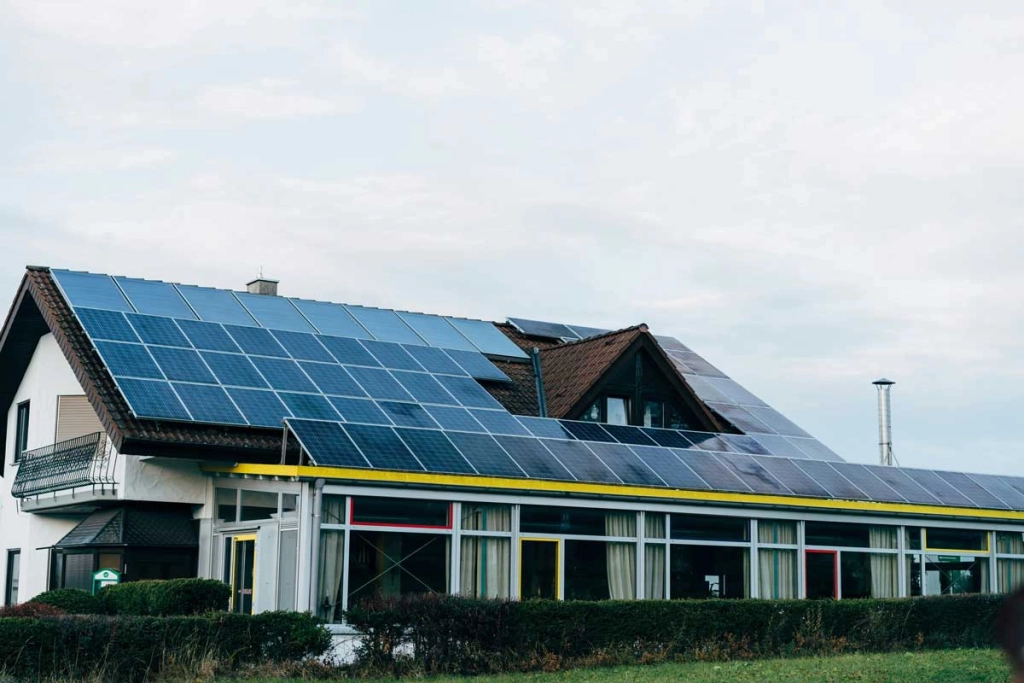
Consider using alternative energy sources, such as solar panels or wind turbines, to generate electricity for your home. These can help reduce your reliance on traditional energy sources.
To learn more about this, go to this article: https://hanapbahay.net/the-benefits-of-using-alternative-energy-in-your-home/
Conduct an Energy Audit

Consider hiring a professional or conduct a DIY energy audit to identify areas where energy is being wasted. This can provide valuable insights into potential improvements.
Encourage Energy Conservation Habits

Foster a culture of energy consciousness within your household. Encourage family members to turn off lights and appliances when leaving a room and to be mindful of their energy usage.
By incorporating these energy-saving methods into your daily routine, you can help create a more sustainable environment while also benefiting from lower electricity bills. Remember, small adjustments can lead to significant savings, so let’s work together to create a brighter, more energy-efficient future.