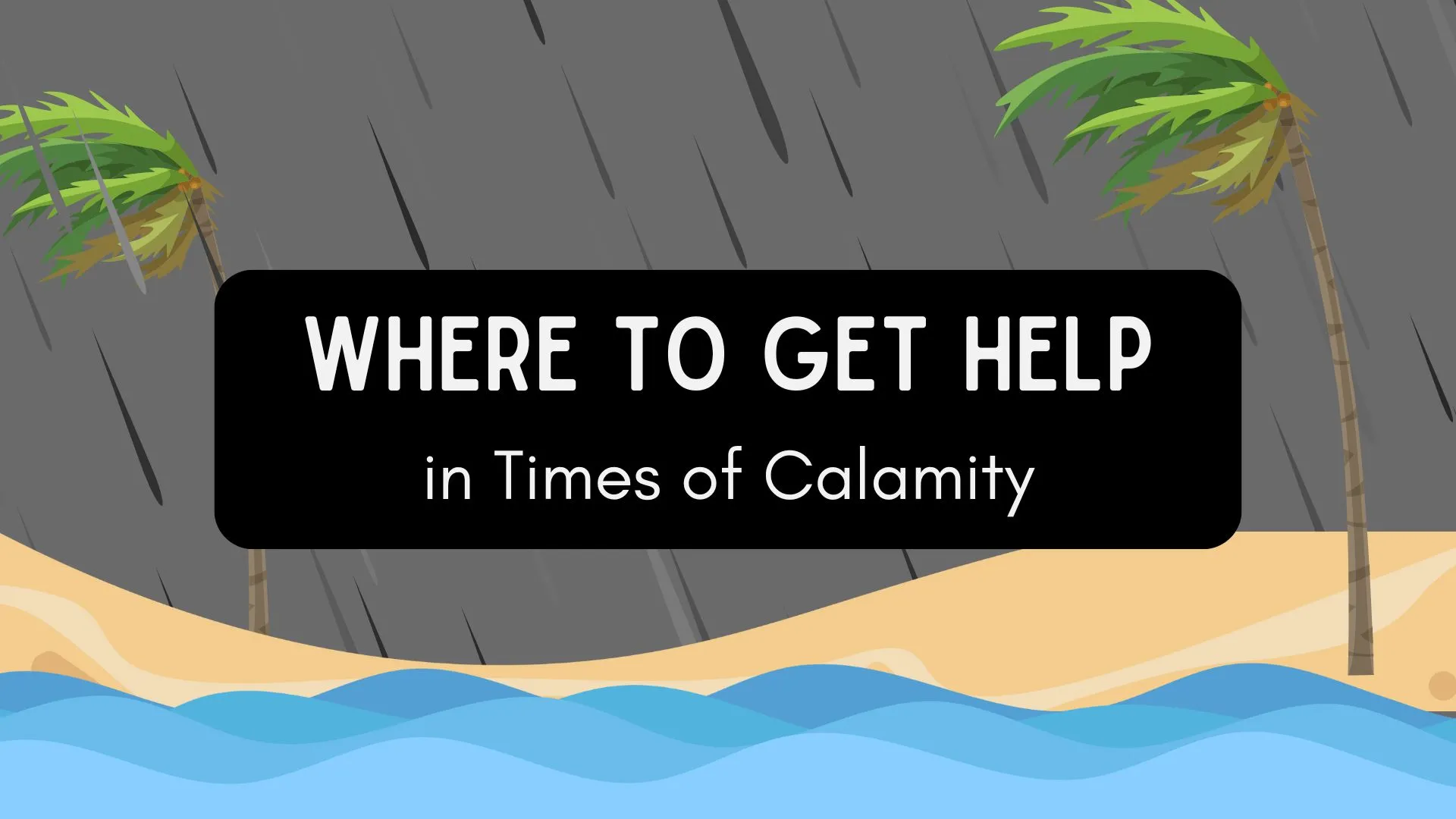
Natural disasters such as typhoons, earthquakes, floods, and volcanic eruptions are unfortunately common in the Philippines.
When calamity strikes, it is crucial to know where to seek help and what resources are available to protect yourself, your family, and your property. This guide provides essential information on where to get help during times of calamity and how to prepare for emergencies.
1. Government Assistance Programs: Help during calamity
The Philippine government plays a key role in providing aid and relief during times of calamity. Several agencies are tasked with disaster preparedness, response, and recovery.
National Disaster Risk Reduction and Management Council (NDRRMC): The NDRRMC coordinates disaster preparedness, response, and recovery operations. They monitor weather updates and issue warnings during emergencies.
Hotline: (02) 8911-1406
Website: NDRRMC
Department of Social Welfare and Development (DSWD): The DSWD is responsible for distributing relief goods, including food packs, blankets, and emergency shelter materials to affected communities. They also provide financial aid to those displaced by calamities.
Hotline: (02) 8931-8101
Website: DSWD
Philippine Atmospheric, Geophysical and Astronomical Services Administration (PAGASA): PAGASA provides weather forecasts and real-time updates on typhoons, floods, and storms, helping the public prepare for approaching calamities.
Website: PAGASA
Philippine Institute of Volcanology and Seismology (PHIVOLCS): PHIVOLCS monitors volcanic activity, earthquakes, and tsunamis, providing real-time updates and warnings to ensure public safety.
Website: PHIVOLCS
2. Local Government Units (LGUs)
In times of disaster, your local government unit (LGU) is often the first line of defense. LGUs manage local evacuation centers, distribute relief goods, and coordinate rescue operations within their jurisdiction.
What LGUs Provide:
Local weather alerts and advisories
Evacuation orders and shelter locations
Emergency services like search and rescue teams
Assistance with basic necessities such as food, water, and medical supplies
Tip: Ensure that you are registered with your barangay or LGU’s text alert system to receive timely updates during emergencies.
3. Non-Governmental Organizations (NGOs) and Charities
Several NGOs and charitable organizations provide emergency aid, including food, medical assistance, and temporary shelters.
Philippine Red Cross (PRC): The PRC is one of the leading organizations in disaster response and recovery. They offer medical aid, emergency shelter, and food relief. They also organize blood donation drives and provide rescue teams during emergencies.
Hotline: 143 or (02) 8790-2300
Website: Philippine Red Cross
Tulong Kabataan: Tulong Kabataan is a volunteer-based relief network that mobilizes youth volunteers for rescue operations and distributes aid to disaster-affected communities.
Website: Tulong Kabataan
Save the Children Philippines: Save the Children focuses on providing support to children and families during calamities. They offer emergency education, hygiene kits, and child protection services.
Website: Save the Children Philippines
4. Community-Based Support:
In times of calamity, communities often come together to support each other. Neighborhood groups, churches, and local organizations can provide immediate assistance while larger agencies coordinate broader relief efforts.
Barangay Assistance: Your barangay plays a significant role during disasters. They often set up temporary shelters, distribute food packs, and organize community safety briefings. Knowing your barangay officials and where to seek help within your local area is crucial during emergencies.
Churches and Religious Organizations: Churches and religious groups frequently open their doors as evacuation centers and organize donation drives for affected families. They also provide emotional and spiritual support in times of distress.
Tip: Join or establish community groups focused on disaster preparedness to help organize relief efforts in your area.
5. International Aid Organizations
In large-scale calamities, international organizations often provide relief and recovery support to the Philippines. These organizations may send rescue teams, medical supplies, and funds to aid in rebuilding efforts.
United Nations World Food Programme (WFP): The WFP provides food assistance and logistics support to disaster-stricken areas, helping ensure that affected communities have access to essential resources.
Website: World Food Programme
UNICEF Philippines: UNICEF focuses on helping children and families during calamities. They provide clean water, hygiene kits, education support, and nutrition assistance.
Website: UNICEF Philippines
World Vision Philippines: World Vision assists vulnerable communities by providing emergency shelter, clean water, and food. They also focus on child protection and community rebuilding.
Website: World Vision Philippines
6. Telecommunications and Power Companies
In the aftermath of a calamity, communication and access to power are essential for coordinating relief efforts. Telecommunications and power companies often offer special services and assistance during these times.
Mobile Providers: Local mobile service providers like Globe, Smart, and DITO often send free text alerts, provide free call or text services, and set up emergency charging stations for affected areas.
Power Companies: Meralco and other power providers in disaster-stricken regions often restore electricity as quickly as possible and may provide updates on outages and restoration efforts through their customer service hotlines.
7. How to Prepare for Calamities: help during calamity
While knowing where to get help during a disaster is important, being prepared can make all the difference. Here are a few tips to help you prepare for calamities:
Create a family emergency plan and ensure that everyone knows what to do and where to go during an evacuation.
Prepare an emergency kit with essential supplies such as food, water, first-aid items, flashlights, and important documents.
Stay informed by monitoring weather updates and news reports.
Learn basic first aid so you can provide immediate help to yourself or others if needed.
Tip: Sign up for disaster preparedness workshops offered by the NDRRMC or the Red Cross to improve your readiness for emergencies.
Learn more about affordable homes for sale and how to protect your investment during calamities.
Read our guide on home maintenance tips to keep your property disaster-ready year-round.